

The History of the Ao Dai Is a Process of Development, Not a Simple Straight Line
When telling the history of the ao dai, many accounts look for one very early garment and call it “the first ao dai”. That approach is easy to understand, but it is too simplistic. Vietnamese dress history included many forms of long robes, crossed collars, four-panel garments and five-panel garments. They were related through tailoring, wearing practices and dress reforms, but they cannot always be arranged into one direct evolutionary sequence.
Clothing varied according to region, gender, social class, ceremony and historical period.
The clothing reforms of Lord Nguyen Phuc Khoat in Dang Trong played a major role in the development of the five-panel gown.
Lemur, Le Pho and raglan tailoring all contributed to the form of the ao dai familiar today.
Giao Linh and Tu Than Show the Diversity of Vietnamese Dress before the Modern Era
The giao linh — a crossed-collar robe — appeared in Vietnamese dress history across different periods. It should not, however, be treated as the single direct prototype of the modern ao dai. Its importance lies in showing that long-form garments and layered dressing traditions had existed in Vietnamese culture for centuries.
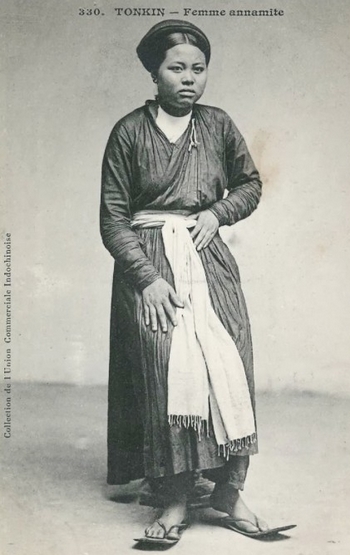
The tu than, or four-panel dress, is strongly associated with women in northern Vietnam. Its four panels were formed from narrow fabric widths; the two front panels could be tied together or left open, and the garment was often worn with a bodice, skirt, scarf and other regional accessories. The tu than developed its own cultural identity and should not be reduced to merely a “transitional step” toward the modern ao dai.
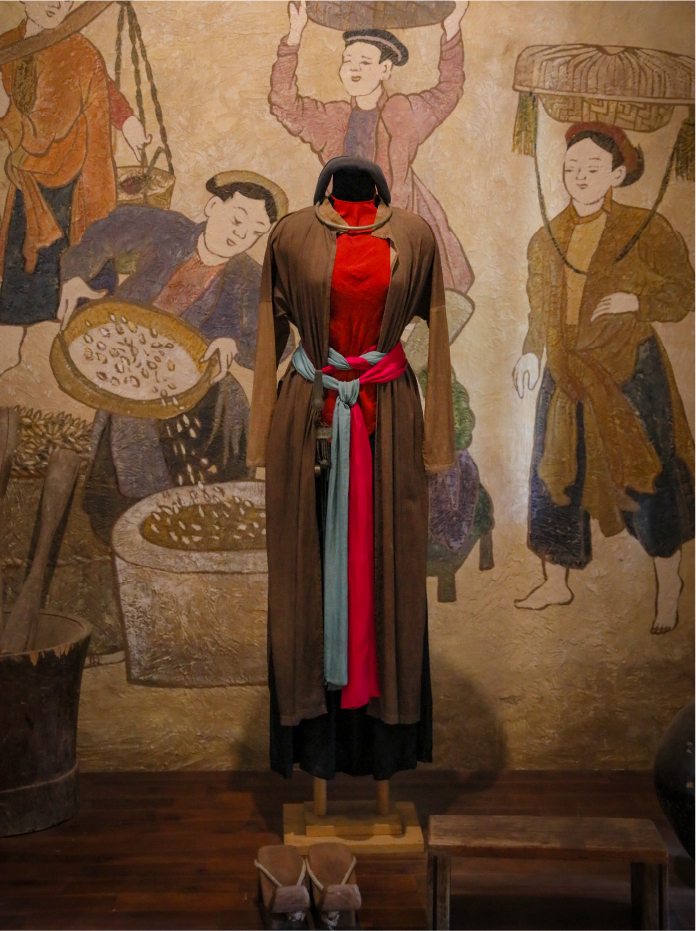
A Traditional Garment with Its Own Cultural Identity
The tu than is closely associated with the cultural imagery of the northern delta and Kinh Bac region. Its long history shows that Vietnamese dress developed through multiple traditions rather than one single path leading directly to the ao dai.
Nguyen Phuc Khoat and the Development of the Five-Panel Gown
In 1744, Lord Nguyen Phuc Khoat introduced a series of reforms in Dang Trong, including regulations concerning dress. Cultural research and historical material from Hue regard this as an important milestone in the formation of the ngu than, or five-panel gown, which continued to develop under the Nguyen dynasty.
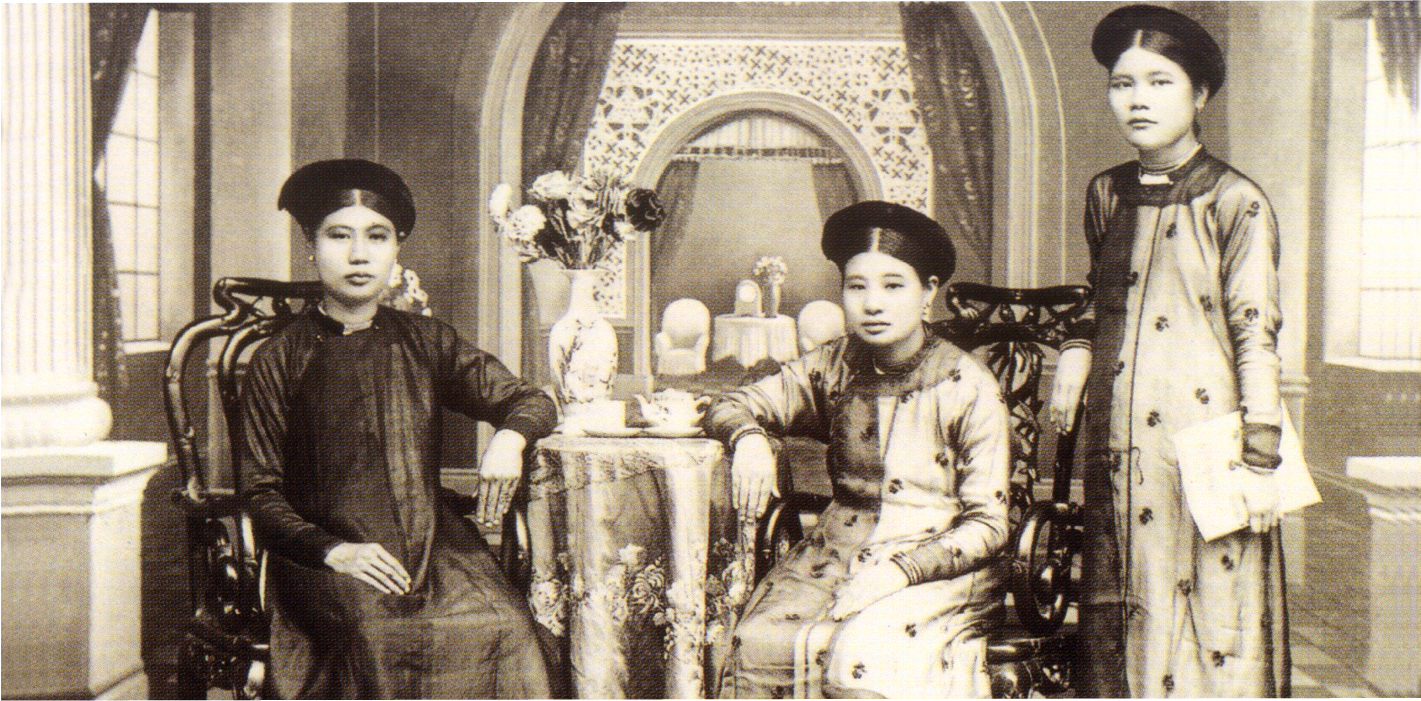
The garment consists of four main panels together with a smaller front panel, creating a structure different from the four-panel dress.
A standing collar, button fastening and long silhouette created a composed appearance suitable for social and ceremonial settings.
The five panels and button system have often been associated with traditional moral concepts such as the Five Constant Virtues.
After the Nguyen dynasty unified the country, clothing regulations continued to be implemented. The five-panel gown is therefore better understood as the result of a longer process rather than something that appeared fully formed in a single year.
Nguyen Cat Tuong Brought the Ao Dai into the Language of Modern Fashion
A major turning point appeared in the early 1930s. On 23 March 1934, artist Nguyen Cat Tuong introduced modern ao dai designs in the newspaper Phong Hoa. The name “Le Mur”, or “Lemur”, came from a French rendering associated with his name Cat Tuong.
The Ao Dai Became a Fashion Statement
Cat Tuong made the garment slimmer and more fitted while experimenting with Peter Pan collars, heart-shaped necklines, bows, puff sleeves and details influenced by Western fashion. The designs were controversial, but they opened an entirely new way of thinking about the ao dai.
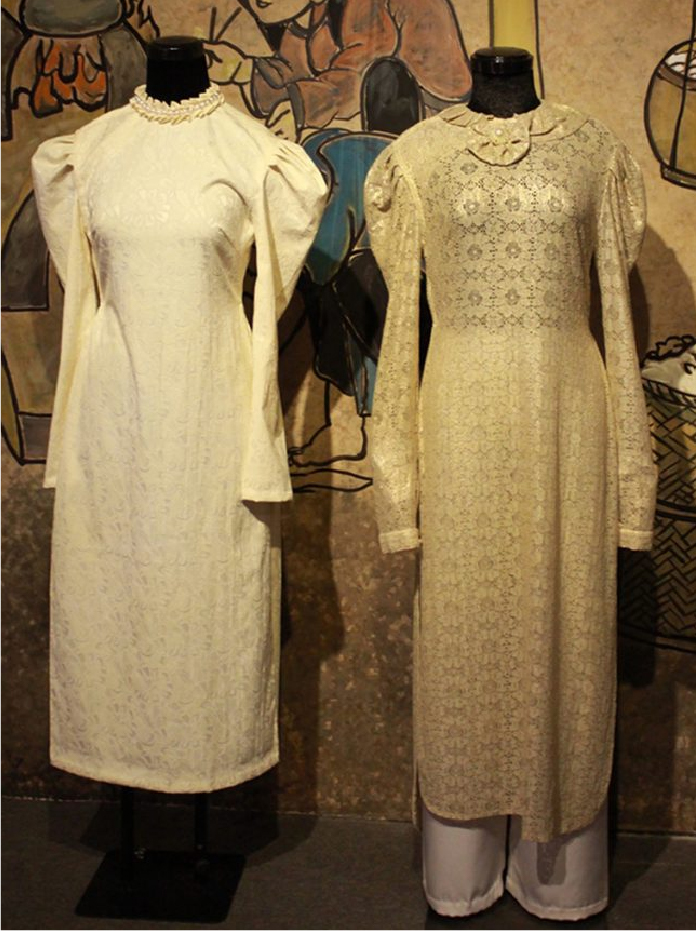
Many of Cat Tuong’s fashion details did not survive unchanged into later decades. Its greatest significance was turning the ao dai into a modern design subject — something that could continue to be revised according to changing aesthetics.
A Bridge between Modernity and a More Restrained Silhouette
After the Lemur period, the ao dai continued to evolve. Histories of Vietnamese dress often refer to the Le Pho style of approximately 1945–1950 as a point of balance: it retained the cleaner silhouette and body-conscious lines of modern reform while bringing back more restrained and traditionally familiar elements.
The lines became softer than Lemur, bringing the garment closer to Vietnamese aesthetic preferences of the period.
A more closed neckline became one of the features that continued to appear in many later ao dai designs.
The Le Pho style helps explain the shift between the experimental Lemur ao dai of the 1930s and the more fitted forms that followed.
Saigon and a Tailoring Innovation That Helped Shape the Familiar Ao Dai
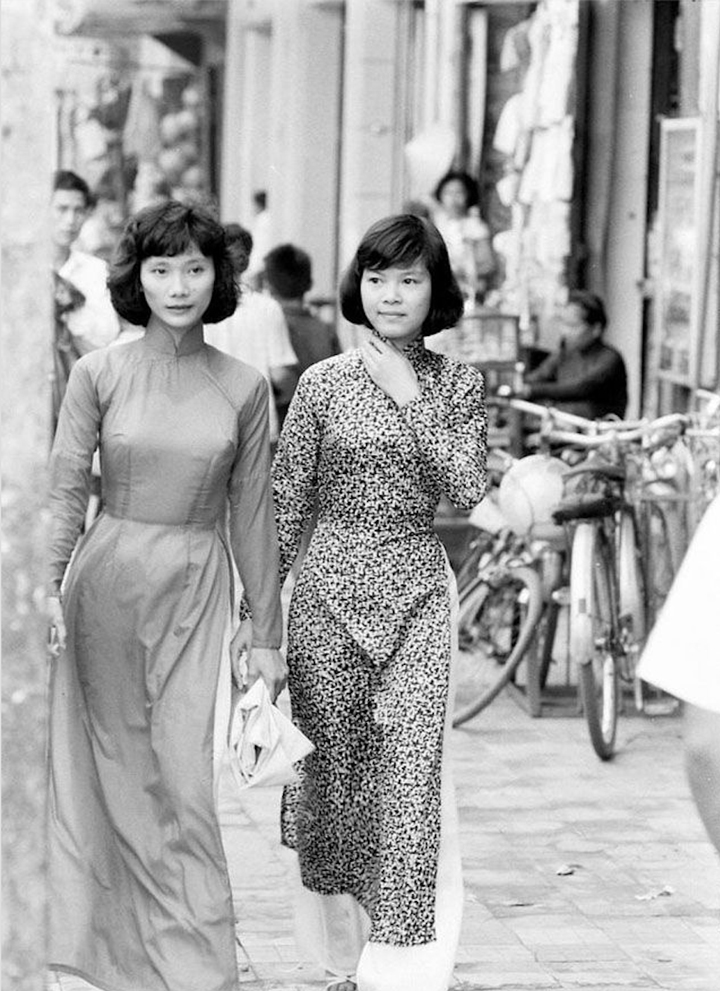
In the early 1960s, Dung Dakao tailor shop in Saigon popularised raglan sleeve construction for the ao dai. Instead of attaching the sleeve along a conventional shoulder seam, the sleeve was joined diagonally from the neckline to the underarm, reducing wrinkling around the shoulder and allowing the garment to follow the body more smoothly.
A Tailoring Technique Changed the Way the Garment Moved
The diagonal seam from neckline to underarm created a visually smoother transition between bodice and sleeve. It was a small technical change with a major impact on how closely the ao dai could fit while remaining comfortable in motion.
Popular sources differ on the exact year. Local educational materials from Ho Chi Minh City and other studies generally place the development in the 1960s, making “early 1960s” a more careful description.
The Ao Dai Never Stopped Changing: Fabrics, Collars and Ways of Wearing It Continue to Evolve
From the second half of the twentieth century onward, the familiar structure of two long panels worn with trousers became increasingly established. Yet even within that recognisable form, the ao dai continued to change in panel length, collar height, sleeve design, fabric, decoration and styling.
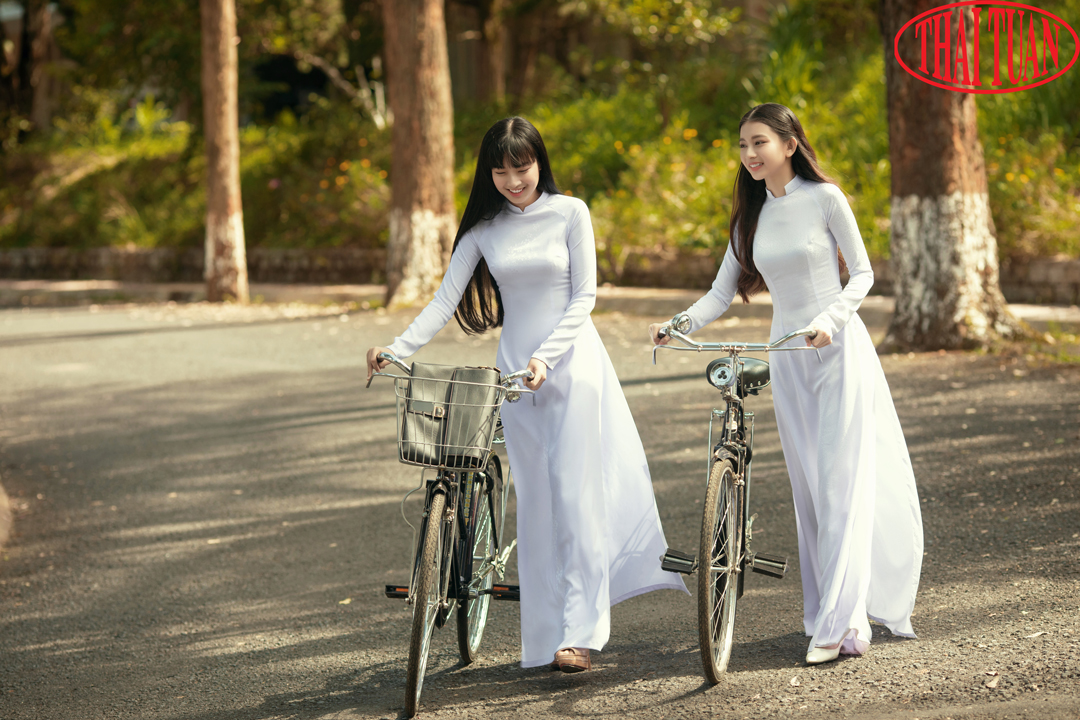
From silk and brocade to chiffon, lace and newer materials; from school uniforms and weddings to diplomacy, performance and fashion — the ao dai remains alive because it can move across many contexts while keeping its essential visual identity.
Perhaps Because It Has Never Truly Stopped Changing
The same basic structure can appear in schools, weddings, diplomacy, festivals and fashion collections.
Length, collar, sleeves, fabric and decoration can all change according to the wearer and the context.
The ao dai is associated with school, family, festivals, performance and national events, carrying both personal and collective memory.
Its history also reveals something important: tradition does not necessarily mean remaining unchanged. The ao dai has survived because each generation has altered it, debated it, worn it again and found a new role for it.
Quick Information about the History of the Vietnamese Ao Dai
It is better not to make that claim. The giao linh is an important form of historical Vietnamese dress, but the development of the modern ao dai was more complex and involved multiple garments, reforms and tailoring innovations.
That was the year Lord Nguyen Phuc Khoat introduced clothing reforms in Dang Trong, widely regarded as a major milestone in the development of the five-panel gown.
Nguyen Cat Tuong introduced modern ao dai designs in Phong Hoa from 1934, beginning a period of strong experimentation in silhouette and detail.
Around 1945–1950, the Le Pho style is often understood as a bridge between the modern spirit of Lemur and more restrained, traditional elements.
Sources do not agree on one exact year. A careful description places the raglan ao dai associated with Dung Dakao tailor shop in Saigon in the early 1960s.
No. The ao dai has a recognisable basic structure, but there are many variations in collar, sleeves, panels, fabrics, patterns and ways of wearing it.
A Single Garment Can Reveal Centuries of Change in Vietnamese Society
The ao dai tells more than a story of aesthetics. In every change to the collar, panels or sleeve construction are traces of history, cultural exchange, tailoring technology and the ways Vietnamese people have continually redefined their own identity.
Explore Places to Stay in Ho Chi Minh City


