

More Than 1,500 Artefacts Told the Story of Vietnam from a Different Perspective
Organised by the State Bank of Vietnam’s Regional Branch 2, the exhibition opened in late 2025 and welcomed public visitors on selected weekends over the following months. More than 1,500 rare artefacts were displayed, covering a timeline from around 1875 to modern polymer banknotes.
From coins and Indochinese banknotes to wartime money, financial certificates and modern polymer notes.
A long enough span to reveal changes in government, the economy, printing technology and national symbolism.
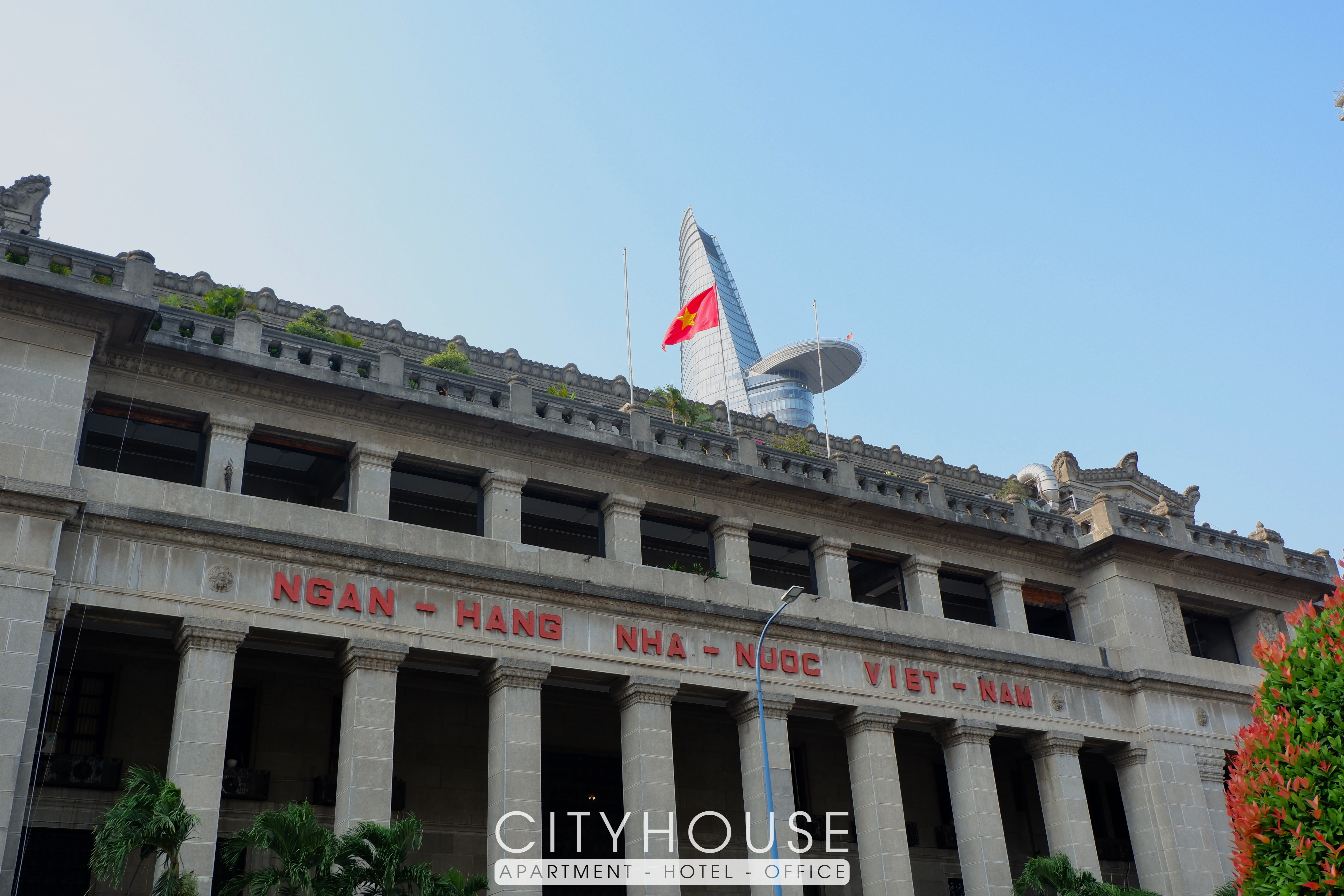
The exhibition was held inside a historic banking building in central Ho Chi Minh City.
Previous weekend visiting schedules and registration information are no longer valid. This article preserves the exhibition as a notable cultural and financial-history event in Ho Chi Minh City during 2025–2026.
A Journey from Banking Memory to the Future of Digital Finance
The exhibition was organised into three main layers, allowing visitors not only to move through artefacts chronologically but also to see how the role of money and banking changed over time.
The opening section traced the formation and development of Vietnam’s banking system alongside the building of a national financial framework.
The central section presented coins, banknotes, financial certificates and other forms of payment from different historical periods.
The journey concluded with financial technology, modern payment methods and questions about the future of money.
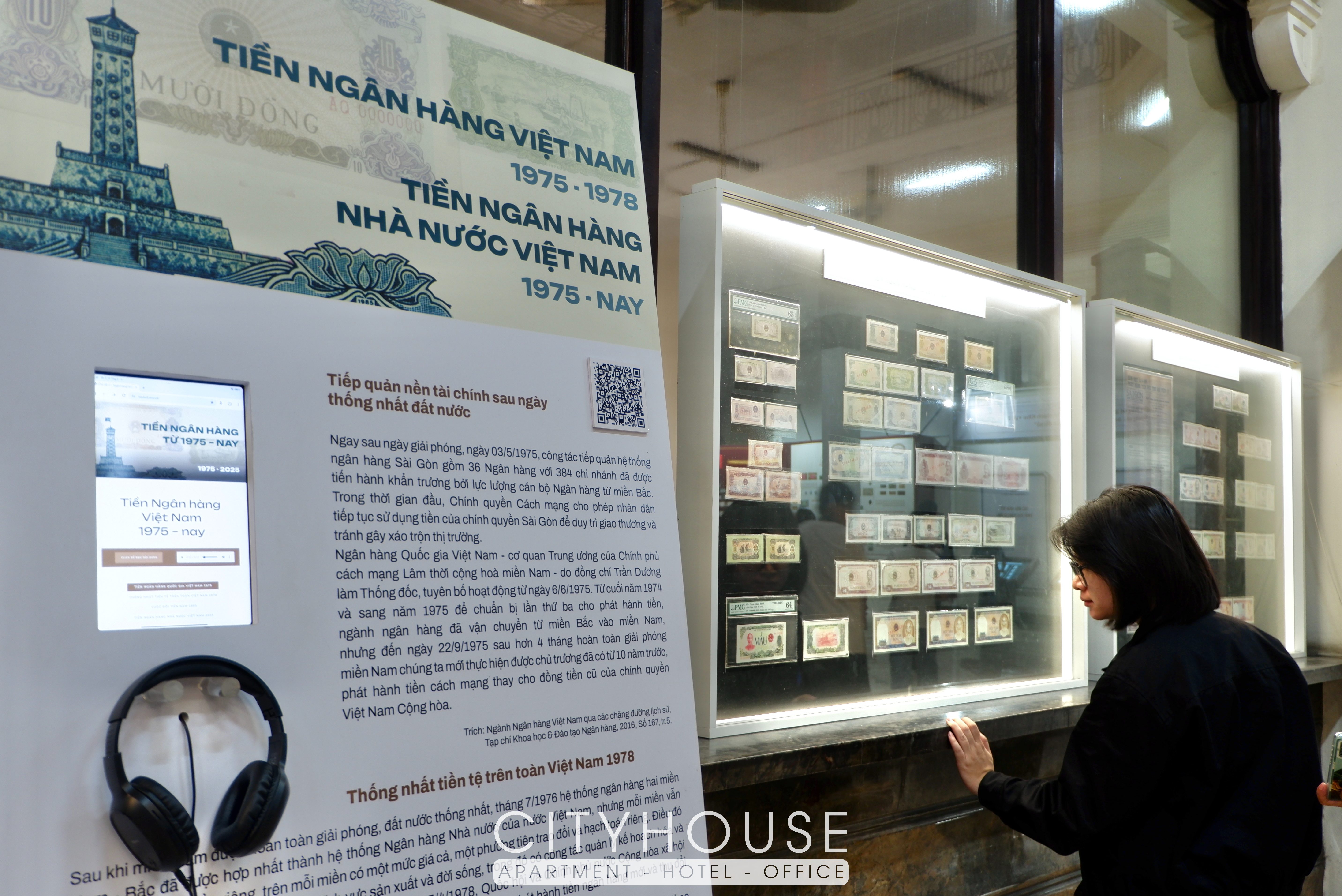
From an Exchange Object to a Record of History
The exhibition design showed that money always sits at the intersection of many forces: politics, sovereignty, war, commerce, technology and public trust in the financial system.
From Indochinese Banknotes to Modern Polymer Currency
One of the exhibition’s strengths was bringing together forms of money that usually appear separately in history books. Placed along a single timeline, the changes became much easier to recognise.
Indochinese banknotes and related currency reflected the financial structure of the colonial economy and its regional trade networks.
“Uncle Ho” banknotes, resistance-era currency and financial instruments reflected the effort to build an independent monetary system under wartime conditions.
Certificates, purchasing coupons, coins and other notes showed how money adapted to different economic and administrative conditions.
Polymer banknotes and digital payment solutions brought the story into questions of security, technology and an economy that relies less heavily on physical cash.
Coins, banknotes, certificates, purchasing coupons and financial notes were issued under different circumstances and circulated in different ways. Viewing them together helps explain the broader financial system, but they should not all be treated as perfectly equivalent forms of “money”.
The Building at 8 Vo Van Kiet Was Part of the Experience Itself
The exhibition was held inside a historic banking headquarters on Vo Van Kiet Boulevard. Constructed around 1929–1930 and inaugurated in 1931, the building remains one of the notable examples of colonial-era banking architecture in central Ho Chi Minh City.
Presenting an exhibition about monetary history inside an almost century-old banking building created a rare connection between artefact and place. Visitors were not simply looking at old money — they were standing inside a piece of the city’s financial history.
Public access during the exhibition was part of what made the event distinctive. If the building hosts future exhibitions or open-house programmes, visitors should check official State Bank announcements before going.
The Final Section of the Exhibition Was Really an Open Question
If the central part of the exhibition looked back at banknotes and coins, the final zone brought visitors back to the present: electronic payments, banking technology and the digital transformation of financial services.
This created an interesting contrast. Over more than a century, money has repeatedly changed form — from metal to paper, from cotton paper to polymer. Today, part of economic value no longer requires a physical form at all. Monetary history therefore does not end with polymer banknotes; it continues through payment systems in which users may barely “hold” money in their hands anymore.
The exhibition asked more than “what did money used to look like?” It also raised a broader question: in the future, how will people continue to see, touch and remember money?
From Vo Van Kiet, Ben Thanh, the Museum of Fine Arts and Older Saigon Are Easy to Continue Exploring
Although the exhibition has ended, the area around Vo Van Kiet, Pho Duc Chinh and Ben Thanh remains an interesting cluster for visitors exploring the city’s urban history. The Museum of Fine Arts, Ben Thanh Market, older streets and the riverfront are all within relatively convenient reach.
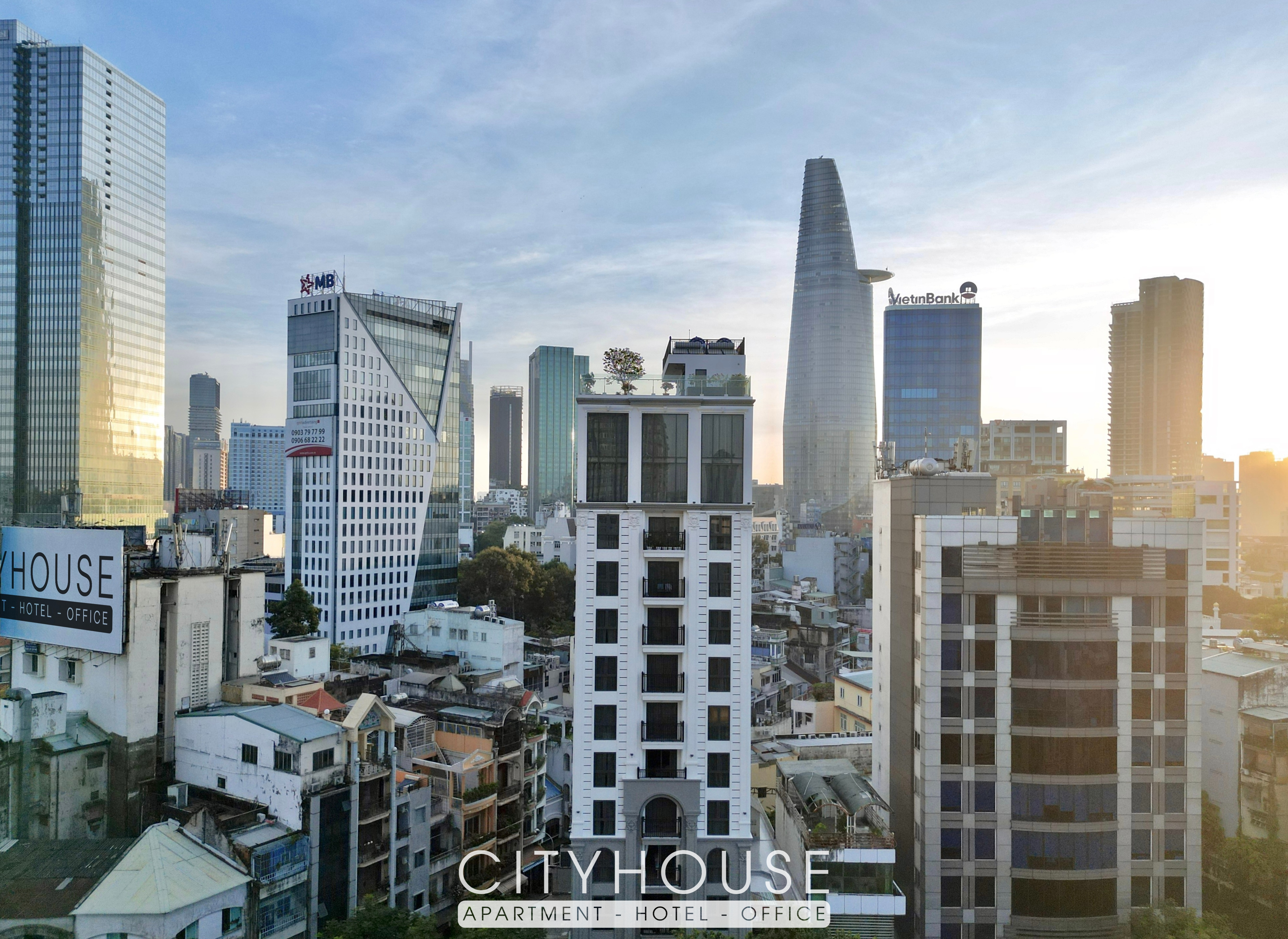
Located at 54 Calmette, suitable for guests who want to stay close to Vo Van Kiet and maintain quick access to Ben Thanh.
Explore TERALocated directly opposite the Museum of Fine Arts, making it well suited to walking routes around Ben Thanh and the city’s urban heritage.
Explore El Pino RealmA warm central stay with convenient access to Vo Van Kiet, Ben Thanh and nearby cultural attractions.
Explore LightHouse SaigonA quieter green retreat at the edge of the central area, ideal after a day spent exploring the city on foot.
Explore City OasisQuick Information about the Vietnamese Currency Exhibition
No. The public exhibition programme ended in late April 2026.
The exhibition presented more than 1,500 artefacts, including different forms of money and financial instruments dating from around 1875 to the modern era.
The exhibition was divided into three main sections: Marks of Pride, The Flow of History and The Digital Future.
The banking building was constructed around 1929–1930 and inaugurated in 1931, giving the site architectural and historical value in its own right.
No. It should not be treated as a permanently open public attraction. Access depends on official programmes and State Bank announcements.
A useful path is to look at ancient coins, Indochinese banknotes, “Uncle Ho” currency, wartime money and modern polymer notes to understand changes in sovereignty, the economy and technology.
The Exhibition Has Ended, but the Story of Money Continues
From old banknotes to digital payments, currency continues to reflect how a society organises itself, trades and imagines the future. That is why something so small can offer such a deep way to understand history.
Explore Places to Stay in Ho Chi Minh City


