

A Month Dedicated to the Ao Dai across the Expanded Ho Chi Minh City
The 12th Ho Chi Minh City Ao Dai Festival took place from 1 to 31 March 2026, with its peak programme concentrated from 6 to 8 March. The festival was led by the Ho Chi Minh City Department of Tourism and the Ho Chi Minh City Women’s Union in coordination with relevant agencies and partners.
The theme “Golden Threads – Weaving Aspirations” placed the ao dai at the intersection of cultural memory and a changing urban landscape. It was also the first edition of the festival to take place within the enlarged administrative geography of Ho Chi Minh City following the 2025 boundary reorganisation.
The programme extended across the entire month of March.
The opening ceremony, artistic programmes, mass performances and competitions were concentrated across these three days.
A wider range of supporting programmes also took place throughout the city.
“Weaving Aspirations” connected tradition, creativity and the image of a changing city.
The dates, times, programmes and promotions mentioned in this article belonged to the 2026 edition. Future editions may follow different schedules, locations and formats.
From the “Silk Cocoon” Opening to Programmes Running through the End of March
The festival officially entered its month-long programme, with supporting ao dai activities introduced across organisations and public spaces throughout the city.
Peak period for encouraging the wearing of ao dai in workplaces, schools and community settings, alongside exhibitions, interactive programmes and tourism promotion.
Opening ceremony on Nguyen Hue Walking Street featuring the “Silk Cocoon” stage concept, designers, collections, performers, models and festival ambassadors.
Ao Dai Art Programme on Nguyen Hue, while creative and community activities continued through the festival’s main weekend.
Mass dance performances, ao dai parades, activities commemorating the Trung Sisters’ uprising and International Women’s Day, the Ao Dai Charm final and the Online Beautiful Ao Dai Photo Awards.
Children’s Ao Dai Drawing Competition for around 500 students aged 9–18.
Ao dai discussion at the Ao Dai Museum with consular representatives, spouses of consuls general and international students.
Festival and supporting activities continued before the 2026 Ho Chi Minh City Ao Dai Festival officially concluded.
Not 17 Isolated Programmes, but Multiple Layers of One Festival Experience
Organisers announced 17 main activities for the 2026 festival. The programme took many forms, from artistic performances to exhibitions, competitions, discussions, community activities and tourism promotions.
The 6 March opening ceremony and 7 March Ao Dai Art Programme brought collections onto the Nguyen Hue stage, connecting fashion with cultural storytelling.
On 8 March, the ao dai moved beyond the runway and into public space through mass dance performances, parades and activities celebrating Vietnamese women.
Nguyen Hue Walking Street, Ben Thanh Station and Opera House Station became spaces where the ao dai was presented within the context of contemporary urban mobility.
Ao Dai Charm, the Online Beautiful Ao Dai Photo Competition and the Children’s Ao Dai Drawing Competition extended participation across different age groups and forms of expression.
The discussion at the Ao Dai Museum placed Vietnamese dress within a conversation involving the diplomatic community and international students.
“Accompanying the Vietnamese Ao Dai”, “Ao Dai of Love”, visitor promotions and business participation helped move the festival into everyday life.
Public sources do not always present the full programme as one fixed list of 17 titles. For an event archive, it is more useful to understand the festival through confirmed programme clusters, dates and locations.
“Silk Cocoon” Became the Central Image of the 6 March Opening
The festival’s main opening event took place on Nguyen Hue Walking Street. The stage was developed around the image of a “Silk Cocoon”: silk thread represented continuity, connection and transformation, while the opening cocoon framed the collections within a broader story of tradition and creativity.
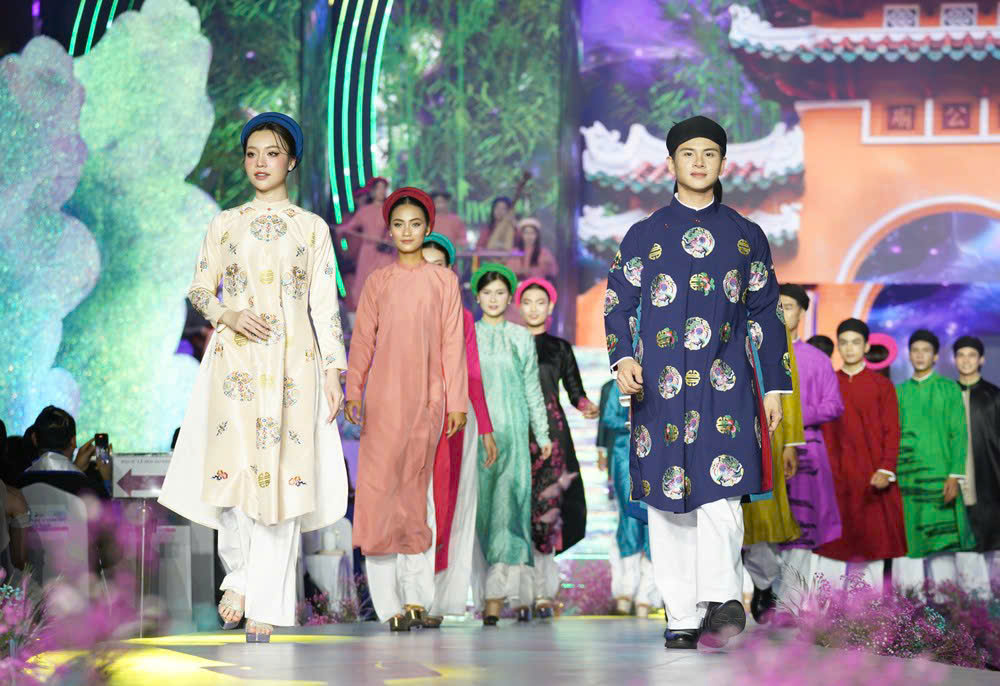
Representing different regions across Vietnam.
Ao dai looks presented across the performance programme.
Actors and models involved in the programme.
Festival ambassadors from a range of fields.
From the Central Stage to Tens of Thousands Wearing Ao Dai across the City
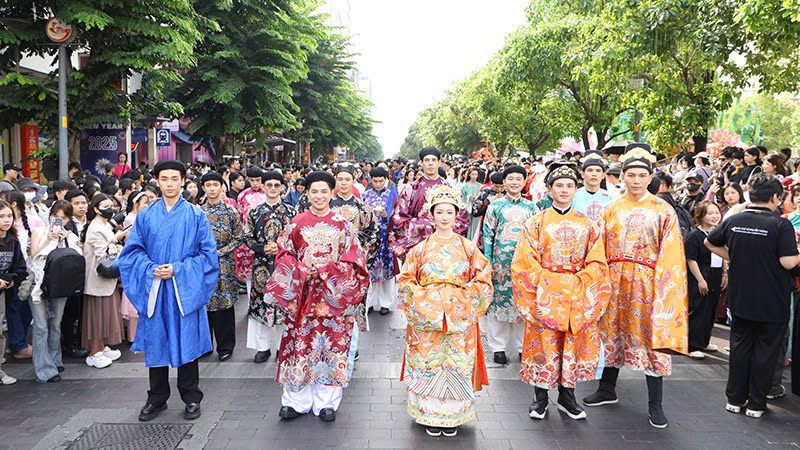
On the morning of 8 March, mass dance performances and ao dai parades became one of the festival’s largest community moments. According to the scale announced ahead of the event, around 50,000 people participated across Ho Chi Minh City, with approximately 3,000 concentrated around Nguyen Hue Walking Street.
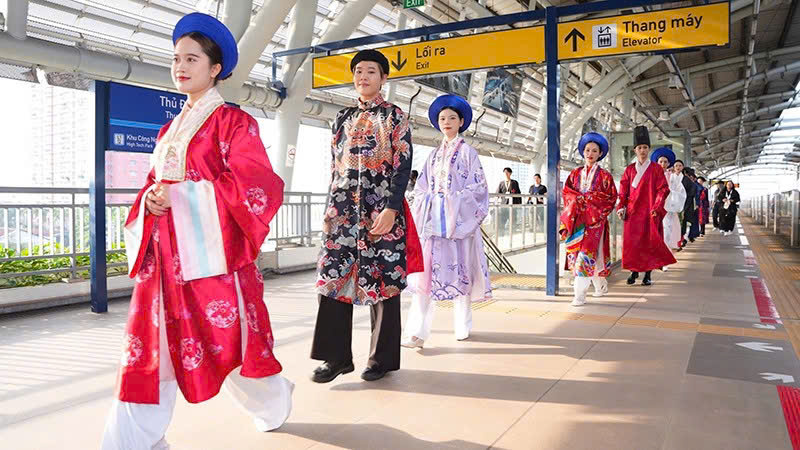
Heritage Entered One of the City’s Newest Urban Spaces
Ben Thanh and Opera House stations became part of the festival experience, showing that the ao dai could appear not only on stages and in museums but also within contemporary public-transport infrastructure.
The Festival Extended from Nguyen Hue and the Metro to Cultural and Tourism Destinations across the City
A ceremonial space and part of community activities within the central-city programme.
Venue for the opening ceremony, artistic programmes, exhibitions, interactive activities and many of the festival’s peak-period events.
One of the spaces associated with displays, ao dai interaction and the promotion of city products and experiences.
Two prominent Metro Line 1 stations incorporated into the “Ao Dai and the Metro” experience.
Venue for the 18 March international exchange programme involving diplomats and international students.
Historic sites, museums, hotels, businesses and local areas joined supporting activities throughout March.
The Ao Dai Entered Workplaces, Schools, Tourism and Community Giving
One of the distinctive features of the 2026 festival was that it was not limited to scheduled performances. From February into March, the “Accompanying the Vietnamese Ao Dai” programme encouraged people to wear ao dai in different settings; tailors, fabric businesses and accessory retailers were invited to participate with promotions; travel companies and hotels were encouraged to develop festival-related products.
From 2 to 8 March, the campaign reached its peak in encouraging ao dai to appear in workplaces, schools and community settings.
Some attractions introduced free or discounted admission for visitors wearing ao dai during the programme period.
The programme encouraged donations of ao dai and fabric for women and female workers facing financial hardship.
The 2026 Edition Is Over, but It Still Works as a Cultural Record of the City
When the original article was published in early March 2026, upcoming programmes were presented as activities not to miss. The festival has now ended. Its longer-term value lies in documenting how Ho Chi Minh City placed the ao dai across many layers of urban life: stages, streets, Metro stations, museums, workplaces, schools and tourism experiences.
Quick Information about the 2026 Ho Chi Minh City Ao Dai Festival
The festival ran from 1 to 31 March 2026, with its peak programme concentrated from 6 to 8 March.
Organisers announced 17 main activities along with a wider range of supporting programmes across Ho Chi Minh City.
The theme was “Golden Threads – Weaving Aspirations”.
The programme brought together 37 designers, nearly 400 ao dai looks, around 600 performers and models, and 37 ambassadors from different fields.
According to the announced scale, around 50,000 people participated at locations across the city, including approximately 3,000 on Nguyen Hue Walking Street.
No. The 2026 edition ended on 31 March. This article is retained as an event archive and reference.
17 Activities, One Story: the Ao Dai Is Still Living within the City
From Nguyen Hue to the Metro, from runways to workplaces, the 2026 Ao Dai Festival showed how a cultural tradition can continue to be worn, reinterpreted and shared within contemporary urban life.
Explore Places to Stay in Ho Chi Minh City


