

“Golden Threads – Weaving Aspirations”: From Heritage to Contemporary Life
The 12th Ho Chi Minh City Ao Dai Festival took place from 1 to 31 March 2026, with its main programme concentrated from 6 to 8 March. The theme “Golden Threads – Weaving Aspirations” placed the ao dai within a broader movement: preserving cultural memory while continuing to find new roles in everyday life, art and contemporary urban spaces.
The month-long programme unfolded across cultural, tourism and public spaces throughout Ho Chi Minh City.
The opening ceremony, art programmes, mass performances, traditional costume parade and Ao Dai Charm final were concentrated across these three days.
The ao dai appeared on stages, in exhibitions, at Metro stations and across a wide range of public activities.
The programmes, times and experience spaces mentioned here belonged to the March 2026 festival. Future editions may follow different schedules, locations and formats.
From the Press Conference to the Opening Night on Nguyen Hue Walking Street
On 3 March, the press conference at the Rex Hotel opened the communications programme for the festival. Three days later, on 6 March, a flower-offering ceremony took place at the President Ho Chi Minh Monument before the festival atmosphere moved onto Nguyen Hue Walking Street.
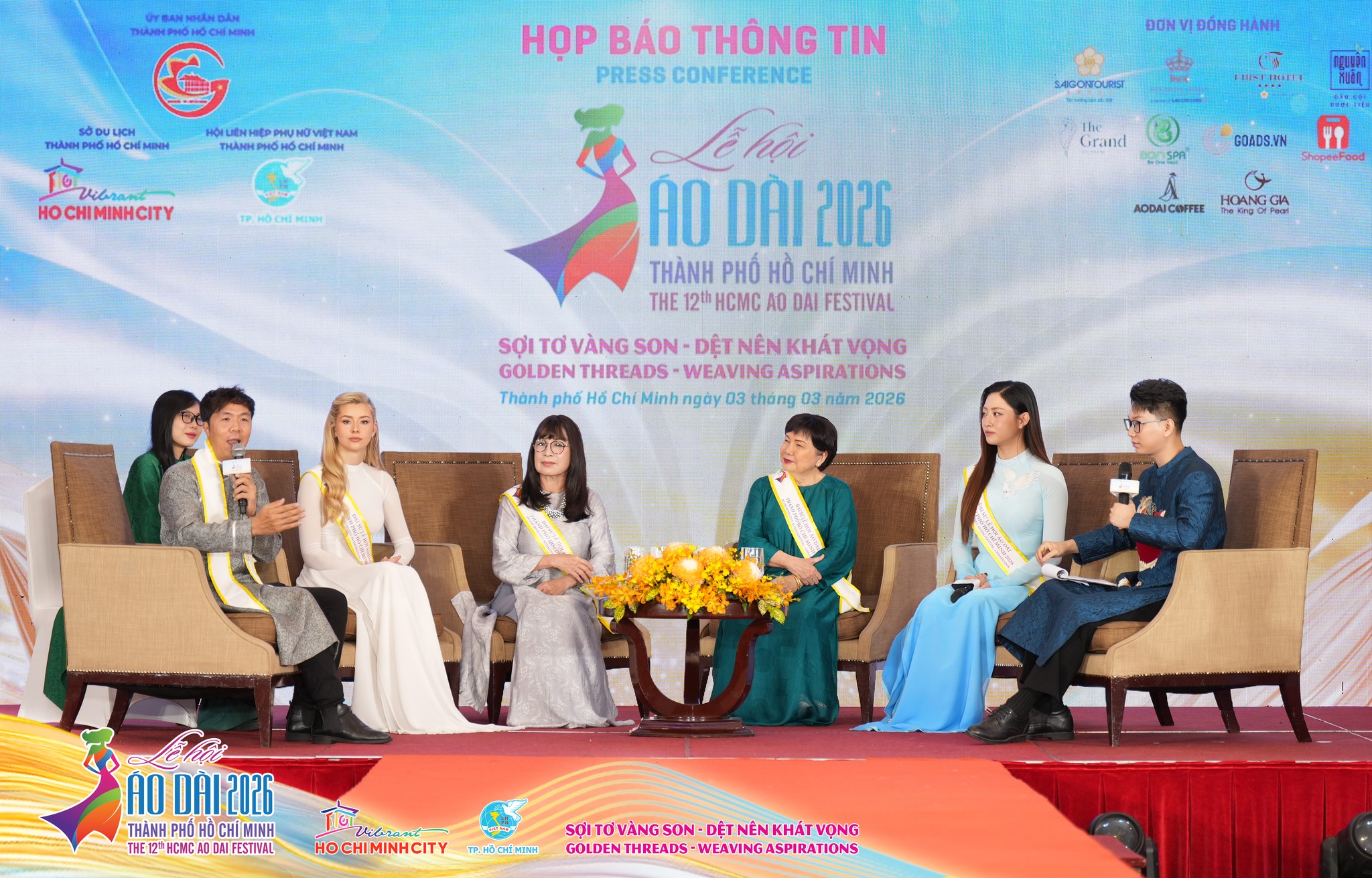
Press conference at the Rex Hotel introducing the 2026 theme and the programme of 17 main activities.
Flower-offering ceremony at the President Ho Chi Minh Monument, marking the beginning of the festival’s peak period.
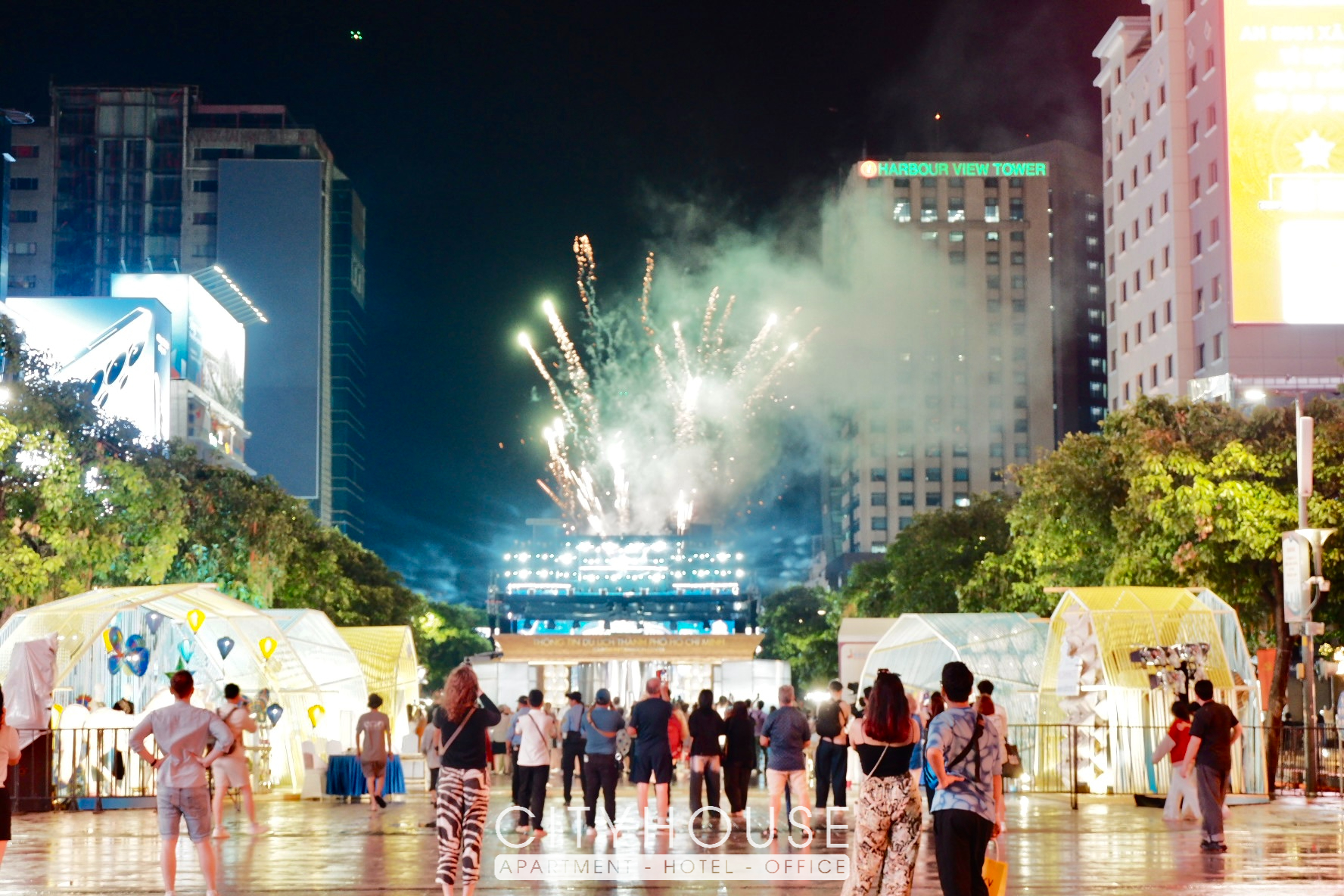
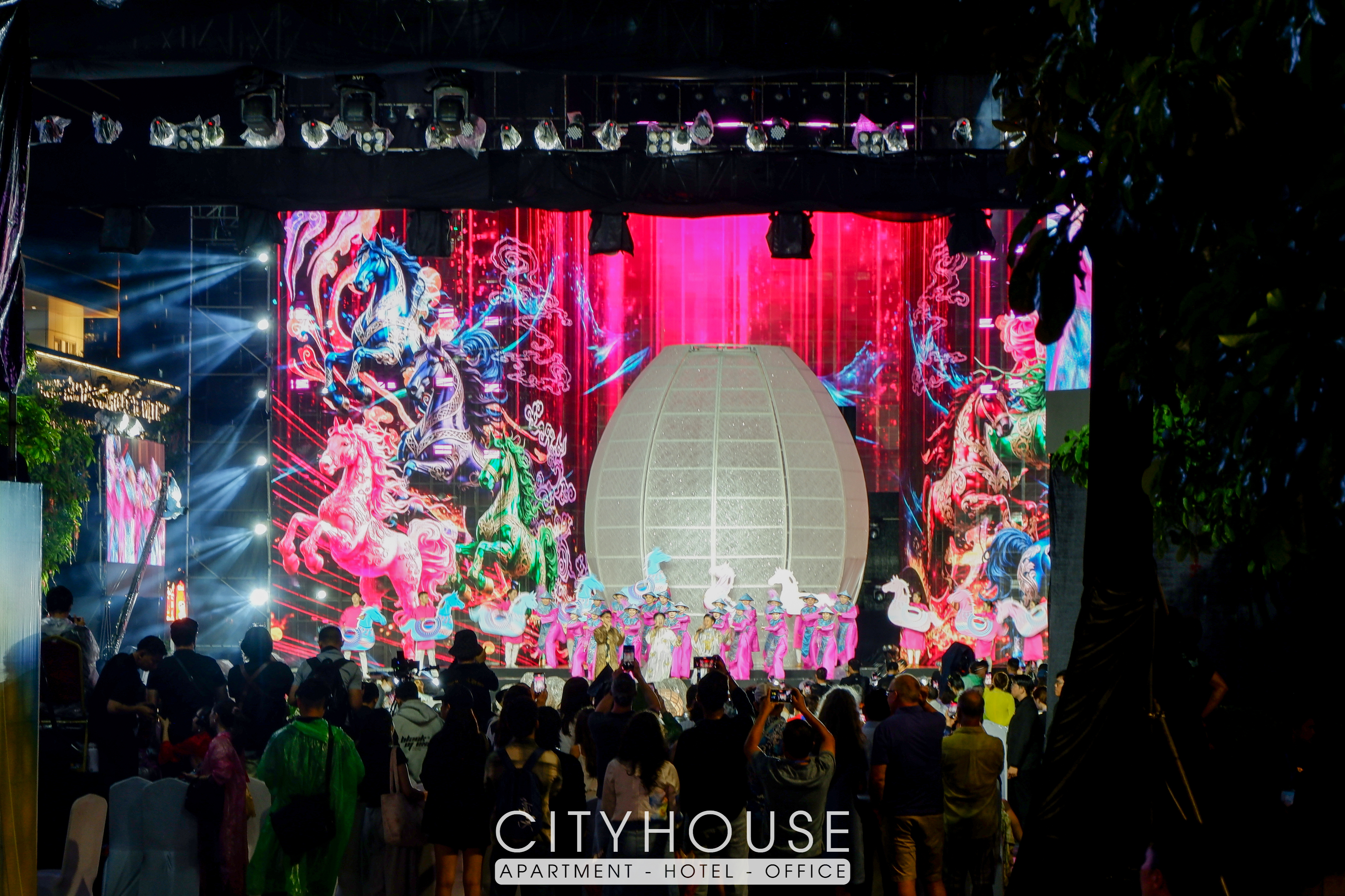
Opening ceremony on Nguyen Hue Walking Street featuring ao dai fashion, music, stage performance and the recurring visual motif of the silk cocoon.
Art programmes, community activities, mass dance performances, traditional Vietnamese costume and ao dai parades, and the Ao Dai Charm final.
When the City Centre Becomes Part of the Stage
The opening ceremony did not exist only on a raised stage. Lighting, exhibition areas and the flow of people along Nguyen Hue made the entire street part of the festival experience.
The Festival Was About More Than Watching Beautiful Garments
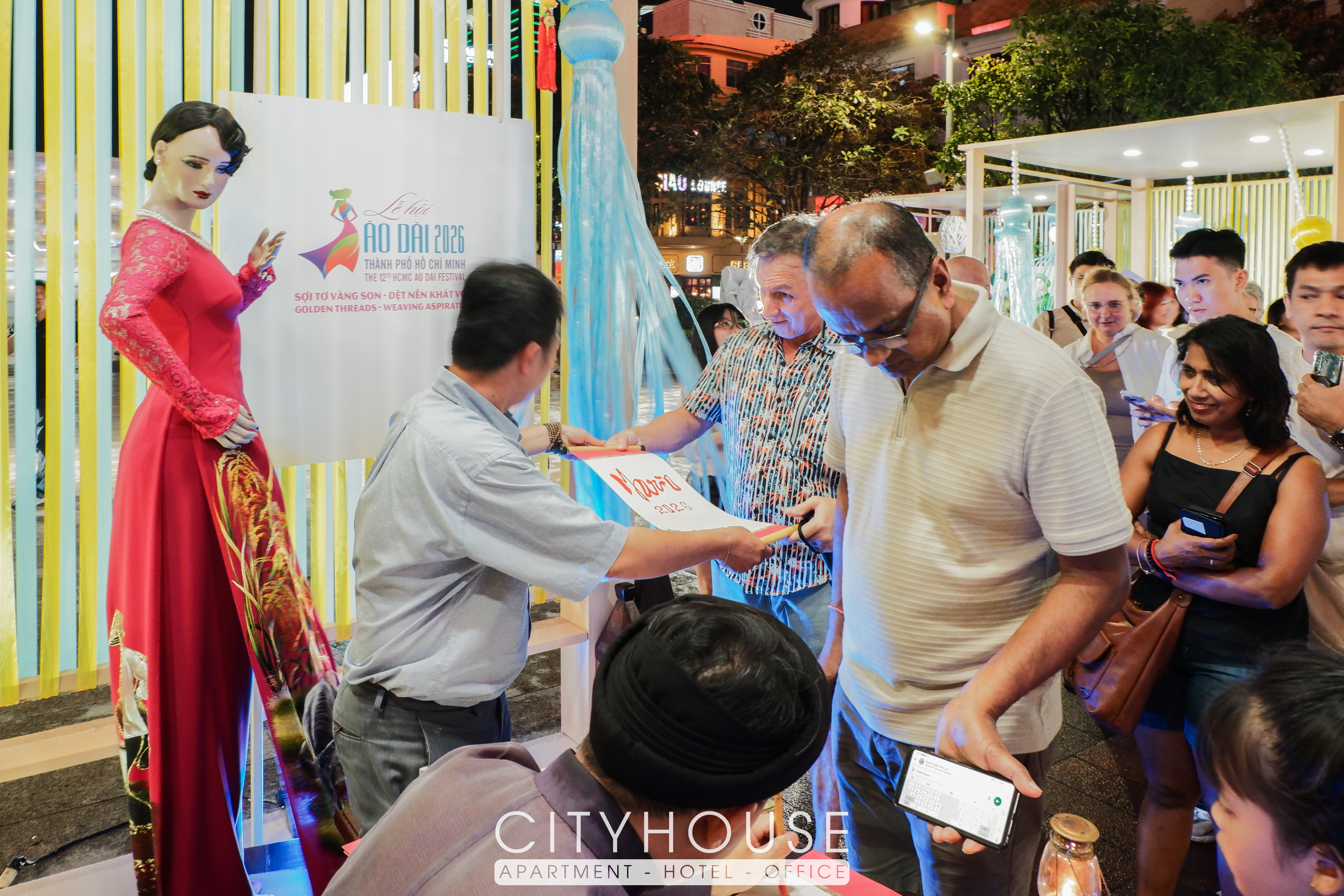
One of the notable aspects of the 2026 festival was the way visitors were brought closer to the ao dai through hands-on activities. Spaces on Nguyen Hue, at the ITPC showroom and at Ben Thanh and Opera House Metro stations were used not only for display but also for interaction.
Visitors could approach the ao dai through the techniques used to decorate and shape the garment itself.
The ao dai was placed alongside traditional art forms, giving the garment a broader cultural context.
Lighter activities made the festival more accessible to families, younger visitors and tourists.
From a Garment to Admire to a Heritage Form You Can Engage With
When visitors can bead, paint on fabric or interact with traditional craft processes, the ao dai becomes less distant and more personal.
Bringing ao dai activities into Ben Thanh and Opera House stations showed that heritage does not have to exist only inside museums or traditional theatres. It can enter the urban infrastructure people use every day.
When the Ao Dai Continues through the Imagination of Children and Young People
On 7 March, a children’s ao dai drawing competition at the Ho Chi Minh City General Science Library added a different tone to the festival. Instead of approaching the ao dai through completed designer collections, children were invited to create their own versions through colour and imagination.
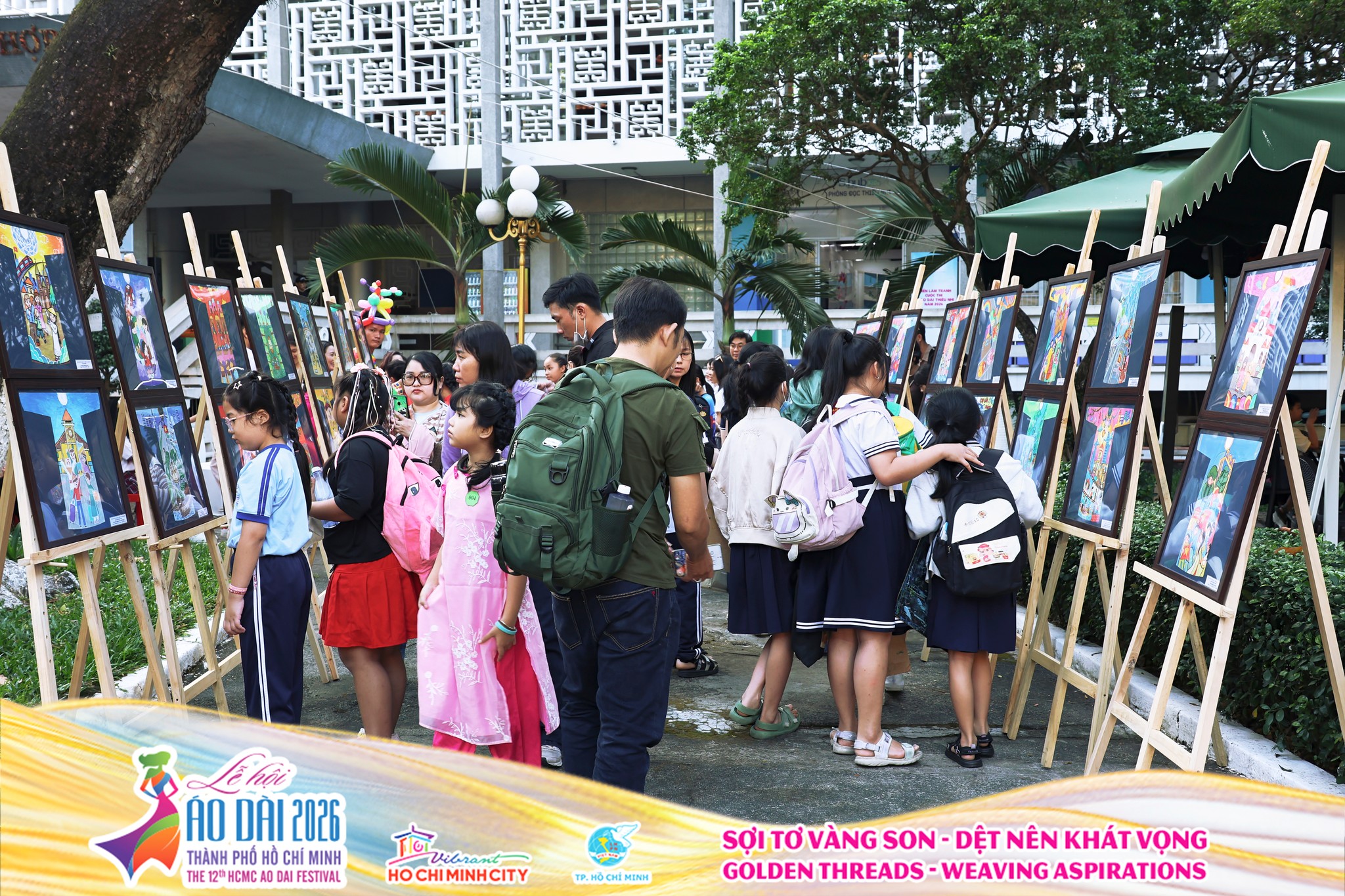
Heritage Truly Continues When the Next Generation Is Free to Reinterpret It
The drawings did not need to reproduce traditional ao dai forms perfectly. Their differences showed that the garment can still inspire new visual languages and personal interpretation.
That evening, another ao dai art programme on Nguyen Hue presented contemporary designs on stage. Together, these two activities — one created by children, the other by designers and performers — offered two different ways for the ao dai to evolve without losing its cultural roots.
From Celebrating Women to a Traditional Costume Parade through the City
8 March was one of the busiest and most community-oriented days of the festival. A programme commemorating the Trung Sisters’ uprising and International Women’s Day was connected with mass dance performances and the “Hon Viet Sanh Doi” traditional costume and ao dai parade.
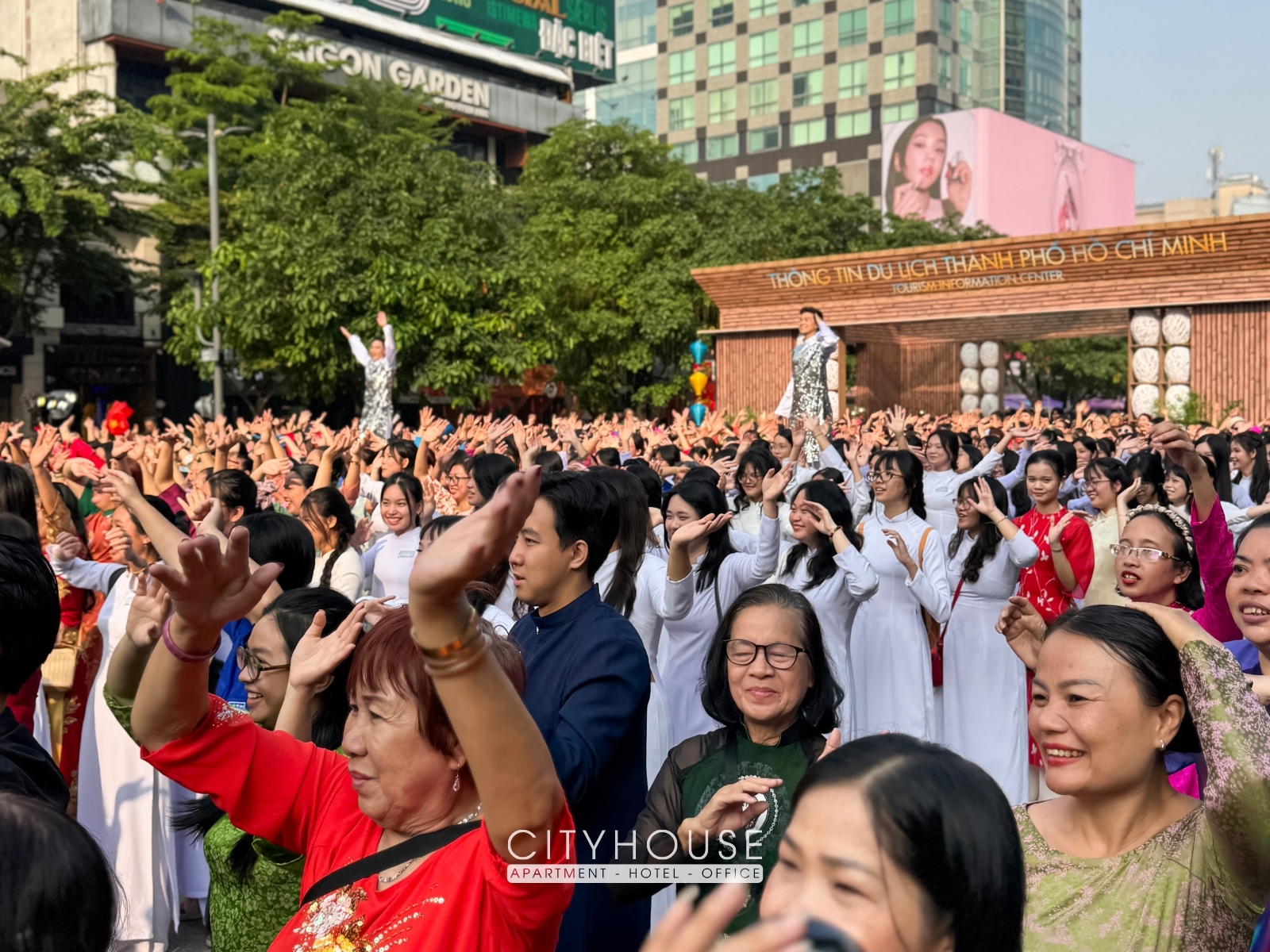
Participants wearing different forms of traditional Vietnamese attire moved through the Nguyen Hue area, creating a broader visual story of Vietnamese dress.
The final competition on the evening of 8 March remained another highlight, connecting the ao dai with images of Vietnamese women in a contemporary context.
Supporting activities also reached the Tam Thang Tower area in Vung Tau Ward and the Becamex Administrative Centre in Binh Duong Ward, reflecting the wider administrative and cultural geography of the newly expanded Ho Chi Minh City.
The Ao Dai Was Presented as Part of the City, Not Only as Clothing for Special Occasions
What made the 2026 Ho Chi Minh City Ao Dai Festival memorable was not one collection or one stage. Its greater value lay in the way the ao dai appeared simultaneously across many layers of city life: on the Metro, along a walking street, inside a library, in craft workshops, through a parade and in contemporary fashion design.
That is also how heritage continues to live. Not by preserving every detail of the past unchanged, but by entering new spaces while remaining recognisable through the cultural story behind it.
If you would like to attend a future edition, check the official Ho Chi Minh City Department of Tourism schedule once the new programme is announced. Dates, venues and activities may change from year to year.
Quick Information about the 2026 Ho Chi Minh City Ao Dai Festival
The 12th festival ran from 1 to 31 March 2026, with its main programme concentrated from 6 to 8 March.
The theme was “Golden Threads – Weaving Aspirations”, connecting traditional values with creativity and contemporary cultural exchange.
The 2026 programme included 17 main activities along with a wider range of supporting events across Ho Chi Minh City.
Key locations included the President Ho Chi Minh Monument Park, Nguyen Hue Walking Street, the export showroom at 92–96 Nguyen Hue, Metro Line 1 stations and other cultural and tourism venues.
No. The March 2026 festival has ended. This article is retained as a recap of the 12th edition.
It has been organised as a recurring cultural and tourism festival in March since 2014. The official programme for each year should be checked once organisers announce it.
One Ao Dai Can Tell Many Stories about the City
From Nguyen Hue to the Metro, from the stage to everyday public life, the 2026 Ao Dai Festival showed how tradition can continue to move with a constantly changing Ho Chi Minh City.
Explore Places to Stay in Ho Chi Minh City


