

A Museum Where Art and Architecture Tell the Story Together
The Ho Chi Minh City Museum of Fine Arts is located on Pho Duc Chinh Street, close to Ben Thanh Market. It can be approached in several ways: art lovers come for the collection, architecture enthusiasts for the historic buildings, and first-time visitors can use the museum as another way to understand Saigon beyond markets, walking streets and major historical landmarks.
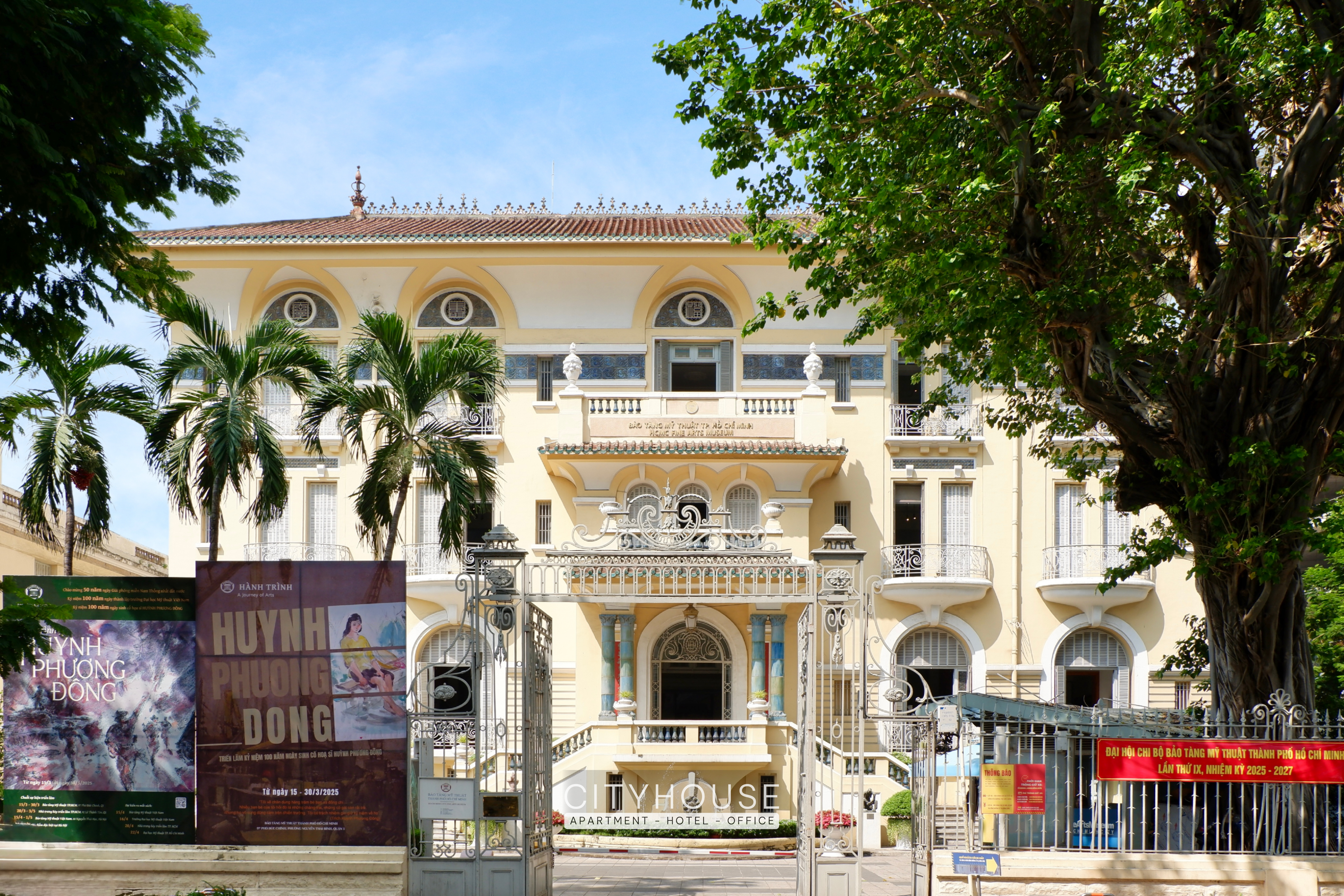
The collection ranges from ancient and early-modern works to modern art across a wide variety of materials and artists.
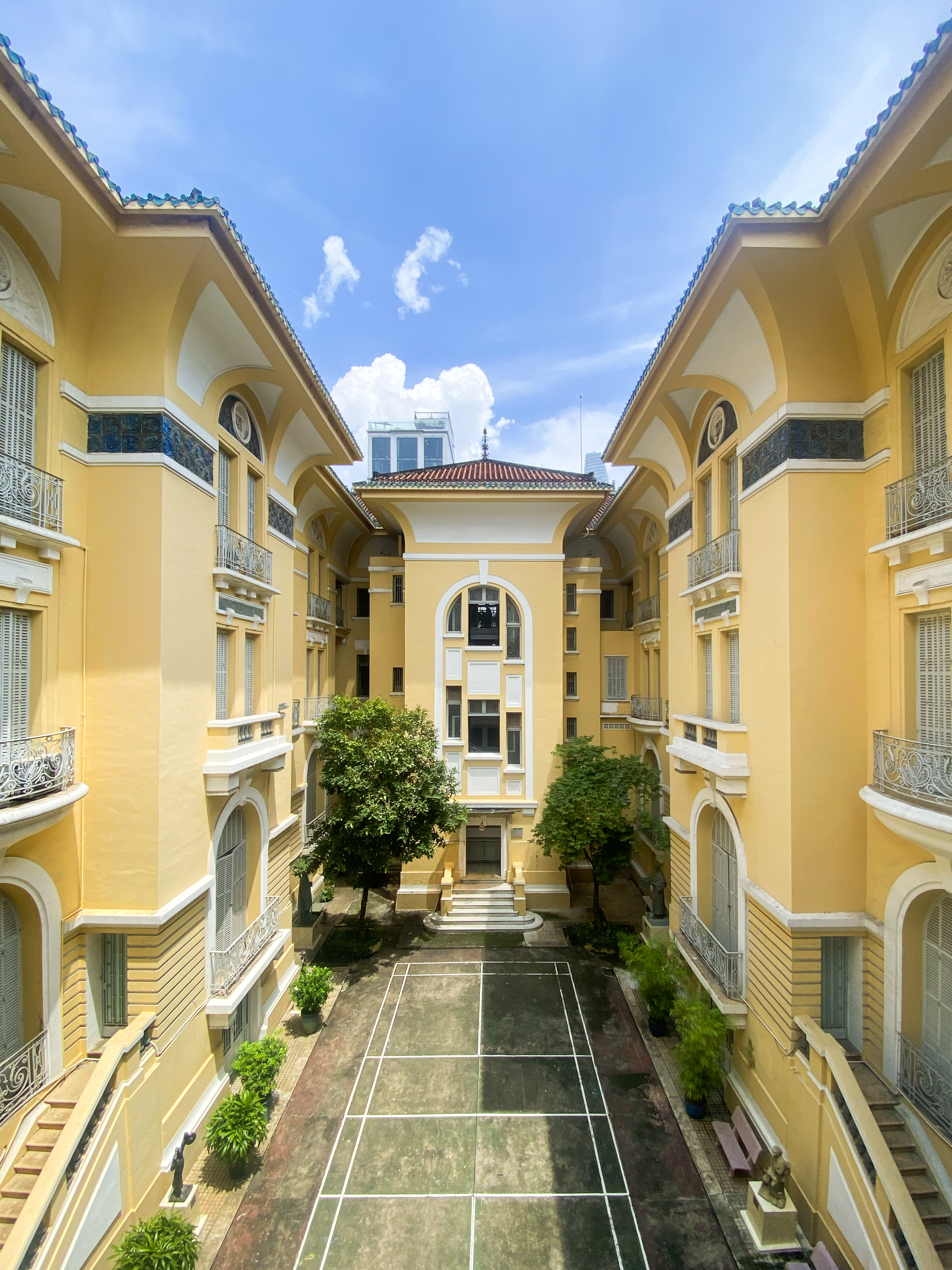
The museum complex consists of several buildings developed at different points during the twentieth century.
Corridors, courtyards and natural light create a quieter atmosphere than the streets outside.
From a Merchant Family Residence to a City Museum
The museum complex is associated with the Hui Bon Hoa family, widely known in Saigon as Chú Hỏa, one of the most prominent merchant families in the city’s early twentieth-century history. Municipal heritage records indicate that the three buildings were constructed at different times, mainly from the 1920s through the middle of the twentieth century.
Because historical records do not always agree on a single construction date for the entire complex, it is more accurate not to reduce the site to one year. What is much clearer is the architecture itself: Western influences are combined with East Asian details, giving the buildings a character distinct from many other structures of the same period.
Yellow Walls, Arches and Deep Corridors
Arched openings, patterned floors, staircases, balustrades and decorative details create several layers of visual interest. Light changes throughout the day, giving the same corridor a noticeably different atmosphere from one hour to the next.
Columns, proportions and decorative motifs reflect European architectural influences from the early twentieth century.
Roof forms, ceramic decoration and climate-responsive elements add a more local layer to the buildings.
The experience does not happen only in front of artworks. Staircases, windows and connecting spaces are also worth noticing.
Vietnamese Art Told across Different Periods and Materials
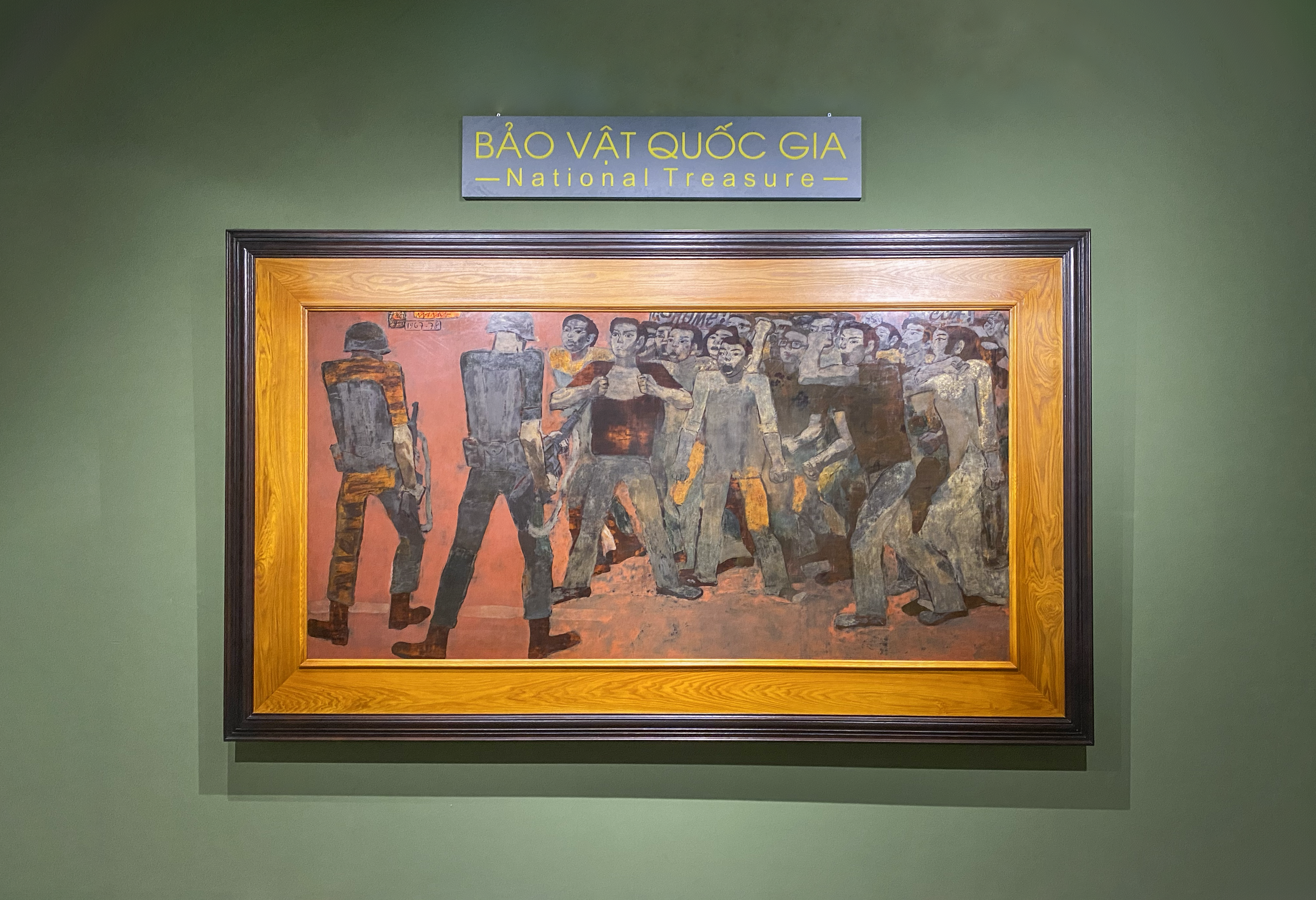
The museum was established in 1987 and officially opened to visitors at the end of May 1989. Today, it manages more than 22,000 artefacts, broadly divided into ancient and early-modern art and modern art collections.
Visitors can encounter lacquer, oil painting, sculpture and other media, along with works associated with the École des Beaux-Arts de l’Indochine, the Gia Dinh School of Drawing and important names in Vietnamese art history.
You Do Not Need to See Everything in One Visit
If you are not an art specialist, the easiest way to approach the museum is to choose a few rooms or groups of works that genuinely interest you. Once the pace slows down, the architecture and the collection begin to support each other rather than feeling like a checklist.
Its visual character, manageable scale and central location make it easy to include in a half-day route around Ben Thanh, Nguyen Hue and Bach Dang.
Allow Around 60–90 Minutes for a First Visit
If you want to explore more galleries and spend time photographing the architecture, you may need longer. On the other hand, even a one-hour visit can be enough to experience the building and see some of the main collections.
Before You Visit
97 Pho Duc Chinh Street, Ben Thanh Ward, Ho Chi Minh City — the museum is also widely known by the address 97A Pho Duc Chinh.
08:00–17:00, Monday through Sunday.
VND 30,000 per person according to the museum’s current official information.
VND 15,000 per person. Children under 6 and visitors over 60 are among the groups currently eligible for free admission according to the museum’s published policy.
Visitors may use mobile phones for personal souvenir photography. Filming, commercial photography or other special-purpose recording is subject to the museum’s rules.
If your visit depends on a temporary exhibition or a specific programme, check the Ho Chi Minh City Museum of Fine Arts’ official website before going.
El Pino Realm: Stay Opposite a Piece of Saigon’s Heritage
One of the most distinctive parts of the CityHouse story here is the direct relationship between the stay and the destination. CityHouse MARK El Pino Realm is located immediately opposite the Museum of Fine Arts, so visiting the museum does not need to become a complicated “itinerary”. You can cross the street in the morning, return to rest, then continue toward Ben Thanh or Nguyen Hue later in the day.
CityHouse MARK El Pino Realm
The property sits directly opposite the Ho Chi Minh City Museum of Fine Arts, around 225 m from Ben Thanh Market and roughly a five-minute walk from Ben Thanh Metro Station. It is well suited to guests who want to explore central Ho Chi Minh City on foot and return to a more private place between outings.
Explore El Pino RealmQuick Information about the Ho Chi Minh City Museum of Fine Arts
According to the museum’s current information, it is open from 08:00 to 17:00 every day of the week.
Adult admission is currently VND 30,000, while student admission is VND 15,000. Certain age groups are eligible for free admission under the museum’s current policy.
Around 60–90 minutes works well for most first-time visitors. If you want to explore the collections more carefully or photograph the architecture, allow around 1.5–2 hours.
Yes. The architecture, atmosphere and scale make it accessible even if you do not have a background in art history.
Yes. The museum is in the central area and can be connected on foot with Ben Thanh Market, Ben Thanh Metro Station, Nguyen Hue and several other attractions.
The museum allows visitors to use mobile phones for personal photography. Recording for special purposes is subject to on-site rules and approval requirements.
Come for the Art. Stay Longer for the Space Itself.
The Ho Chi Minh City Museum of Fine Arts is one of those places where artworks, architecture and urban memory exist side by side. Give yourself enough time to move slowly through the corridors rather than stopping only for a few familiar photographs.
Explore Places to Stay in Ho Chi Minh City


