

What is the difference between a hotel and an aparthotel?
A traditional hotel is designed around the convenience of a short stay: quick check-in, housekeeping, front-desk support, shared facilities, and a room primarily built for rest. For travelers with full schedules who spend most of the day outside and do not need to maintain many daily routines in the room, that model works extremely well.
An aparthotel combines part of the hotel service experience with a more apartment-like layout. Depending on the property and room type, guests may have access to a kitchen or kitchenette, dining area, living space, desk, larger refrigerator, or better storage. If the format is new to you, see CityHouse’s guide to what an aparthotel is.
| Criteria | Hotel | Aparthotel |
|---|---|---|
| 3–4 days | Excellent if most of the day is spent outside | Useful if you need a kitchen, workspace, or family space |
| 5–7 days | Still practical when service is the priority | Starts to offer a clear day-to-day advantage |
| 8–14 days | Good if you want full service and little self-catering | Often more comfortable for living, working, and longer routines |
| Kitchen / kitchenette | Not standard | More common, depending on room type |
| Workspace | May be a compact desk | Often easier to separate work and sleeping areas |
| Housekeeping | Typically frequent | Frequency varies by property policy |

For 3–4 days: a hotel is often the simplest choice
For a three- or four-day trip, a hotel is usually a very efficient option. The stay is short, luggage is still manageable, laundry is rarely a major issue, and eating out for a few days often feels easy rather than repetitive. If your schedule is filled with meetings, sightseeing, events, or client visits, being close to the places you need to reach each day may matter more than having a kitchen or separate living room.
Hotels also work well when you want to minimize self-management. After a full day out, returning to a serviced room without thinking about cooking or cleaning can be a real advantage.
For 5–7 days: an aparthotel starts to make a noticeable difference
Around the one-week mark, many travelers begin to feel the limits of a standard hotel room. An open suitcase takes up space, clothes may need washing, constant restaurant meals can become tiring, and working from the bed is rarely comfortable for several days in a row.
This is where an aparthotel HCMC stay can become more practical. A kitchenette makes breakfast or a simple dinner easier. A refrigerator and dining table help with drinks, fruit, and basic food. A living area separated from the bed makes the room feel less like a place you only return to sleep in.
For a 5–7 day business trip, also check Wi-Fi, desk space, lighting, seating, laundry support, and extension policies. A six-day assignment can easily turn into eight or nine days, and the ability to extend without changing rooms can be more valuable than a small difference in the initial rate.
.png)
For 8–14 days: prioritize the ability to live, not just sleep
Once a stay approaches two weeks, accommodation starts functioning more like a temporary home base. The better question is no longer “Does the room look good?” but “Can I live comfortably here for ten days?”
- A kitchen or kitchenette so you do not need to eat out for every meal.
- A work area separate from the bed.
- Enough wardrobe and storage space for longer-stay luggage.
- Laundry service or easy access to a washing machine.
- A living area for reading, resting, or spending time with a partner or family.
- The option to extend without moving properties.
A hotel can still be the right choice for 8–14 days if you value full service, do not need to cook, spend most of the day outside, and the property is in the ideal location. A well-located hotel may be more efficient than a larger aparthotel that adds an hour of commuting every day.
Business travelers, couples, and families need different things
Where does the hybrid hotel model fit?
The market also includes the hybrid hotel concept, which can combine hotel-style services with more flexible room formats or stay lengths.
The important thing is that “hybrid” does not guarantee a fixed set of facilities. When you see the term, return to practical questions: Is there a kitchen? How often is housekeeping provided? Is laundry available? What support hours are offered? How flexible is an extension? For a 3–14 day trip, flexibility is only valuable if it helps you avoid moving when the schedule changes.
.png)
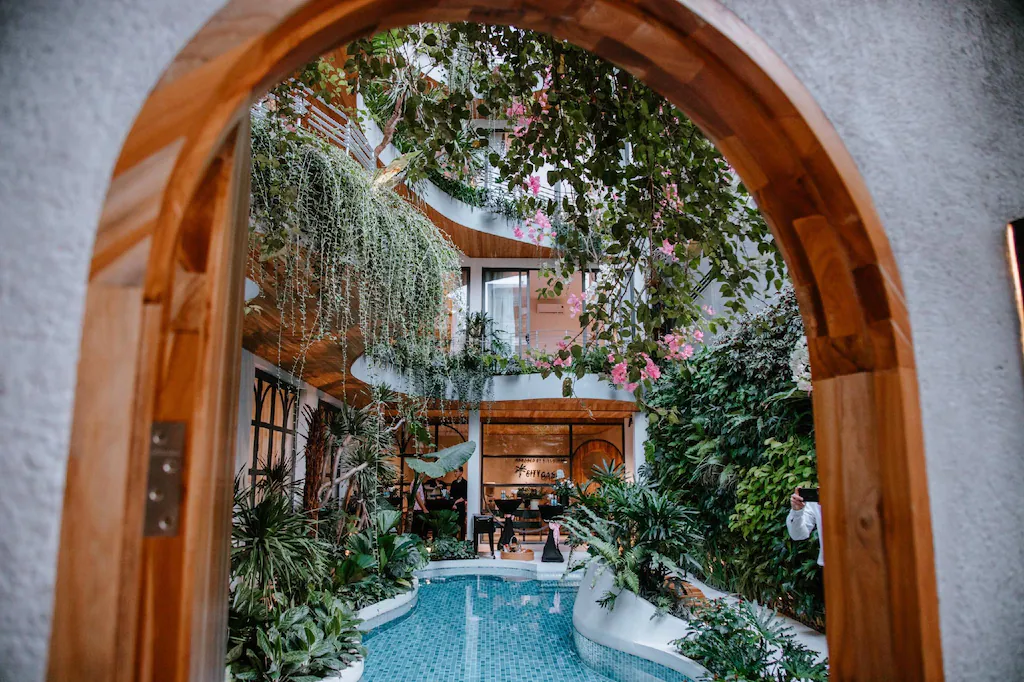
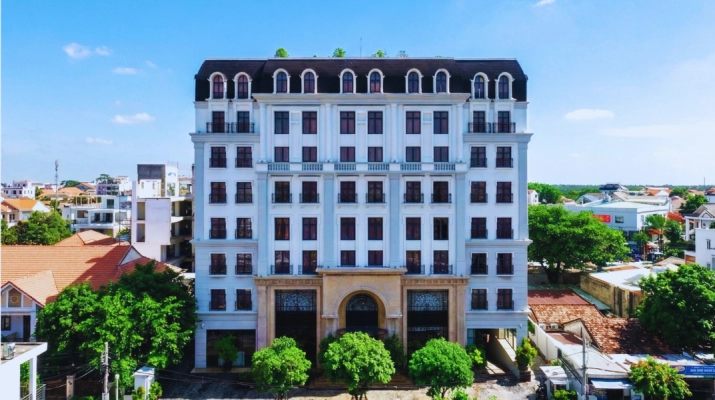
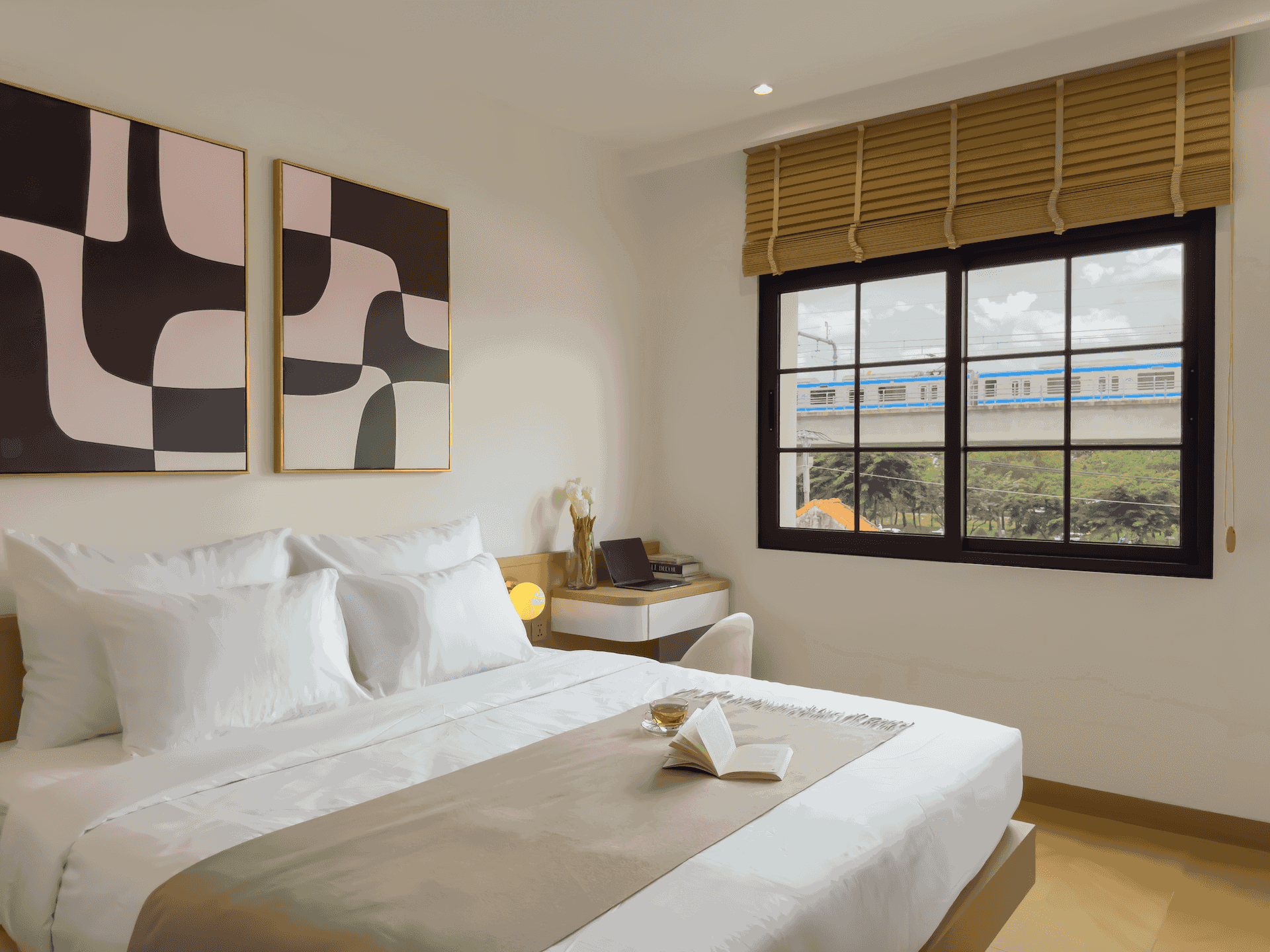
CityHouse options for different stay lengths and travel styles
Rather than choosing a property by brand name alone, start with location and how you expect to use the room. Facilities can differ by property and room category, so confirm the exact room setup before booking.
Checklist: choosing a hotel or aparthotel for a 3–14 day stay
- Where do I need to go every day?
- How many hours will I realistically spend in the room?
- Do I need a serious workspace?
- Do I want to prepare some of my own meals?
- Will I need laundry during the stay?
- Am I traveling alone, as a couple, with family, or with colleagues?
- Could the trip be extended?
- Do I prefer hotel service or apartment-style independence?
If most answers point toward “sleep, go out, keep things simple, use hotel services,” a hotel is usually the cleaner choice. If several answers involve cooking, working, laundry, storage, or extending the stay, an aparthotel is likely the better fit.
Find the right place for the way you travel
Three to four days usually favor the simplicity of a hotel. Five to seven days is the middle ground. From eight to fourteen days, comfortable everyday living becomes more important. Start with the itinerary, then choose the accommodation model.
Find the right stay →


